


ELD Compliance Emergency
11 Марта, 2026
What dispatchers should do when a truck driver loses ELD compliance. P ...
Read more

Dispatch
5 minutes

Why ELD compliance violations create serious risks for owner operators. How ELD logs, HOS rules and FMCSA compliance affect trucking businesses.


Why ELD compliance violations create serious risks for owner operators. How ELD logs, HOS rules and FMCSA compliance affect trucking businesses.
Contents:
Electronic Logging Devices (ELD) have fundamentally changed the trucking industry in the United States. While the system improves transparency and safety, it also creates new challenges for owner operators and small trucking companies.
When drivers fall out of ELD compliance, the consequences can include violations, fines, increased insurance costs, and even FMCSA investigations.
ELD compliance refers to the proper recording of driver activity according to Hours of Service (HOS) regulations set by the Federal Motor Carrier Safety Administration.
These rules ensure that drivers:
If logs are inaccurate or incomplete, drivers may receive violations.
Unlike large fleets, owner operators often manage multiple responsibilities themselves, including dispatching, compliance, and operations.
This increases the risk of mistakes such as:
Even small mistakes can lead to significant compliance problems.
ELD compliance issues can affect the financial stability of an owner operator.
Common consequences include:
For small trucking businesses, these risks can seriously impact profitability.
Many carriers rely on professional dispatchers and safety managers to monitor driver logs and prevent violations.
Dispatchers often:
Professionals who want to work in the industry often learn these skills at dispatch42 school.
Preventing compliance issues requires proactive management of driver logs and operations.
Best practices include:
The ELD compliance crisis affects many owner operators who struggle to manage compliance while running their trucking business.
Understanding ELD regulations, HOS rules, and compliance monitoring helps prevent violations and protects the stability of trucking operations.
The driver may receive violations during inspections, which can increase CSA scores and insurance costs.
Small carriers often cannot absorb fines, insurance increases, or downtime as easily as large fleets.
Share on social media:


Enter your email to receive the latest news

Want more useful information?
Similar news
ELD Compliance Emergency
11 Марта, 2026
What dispatchers should do when a truck driver loses ELD compliance. P ...
Read more

Fake CDL Schools Crisis
11 Марта, 2026
Why the US trucking industry still faces a driver shortage in 2026 and ...
Read more
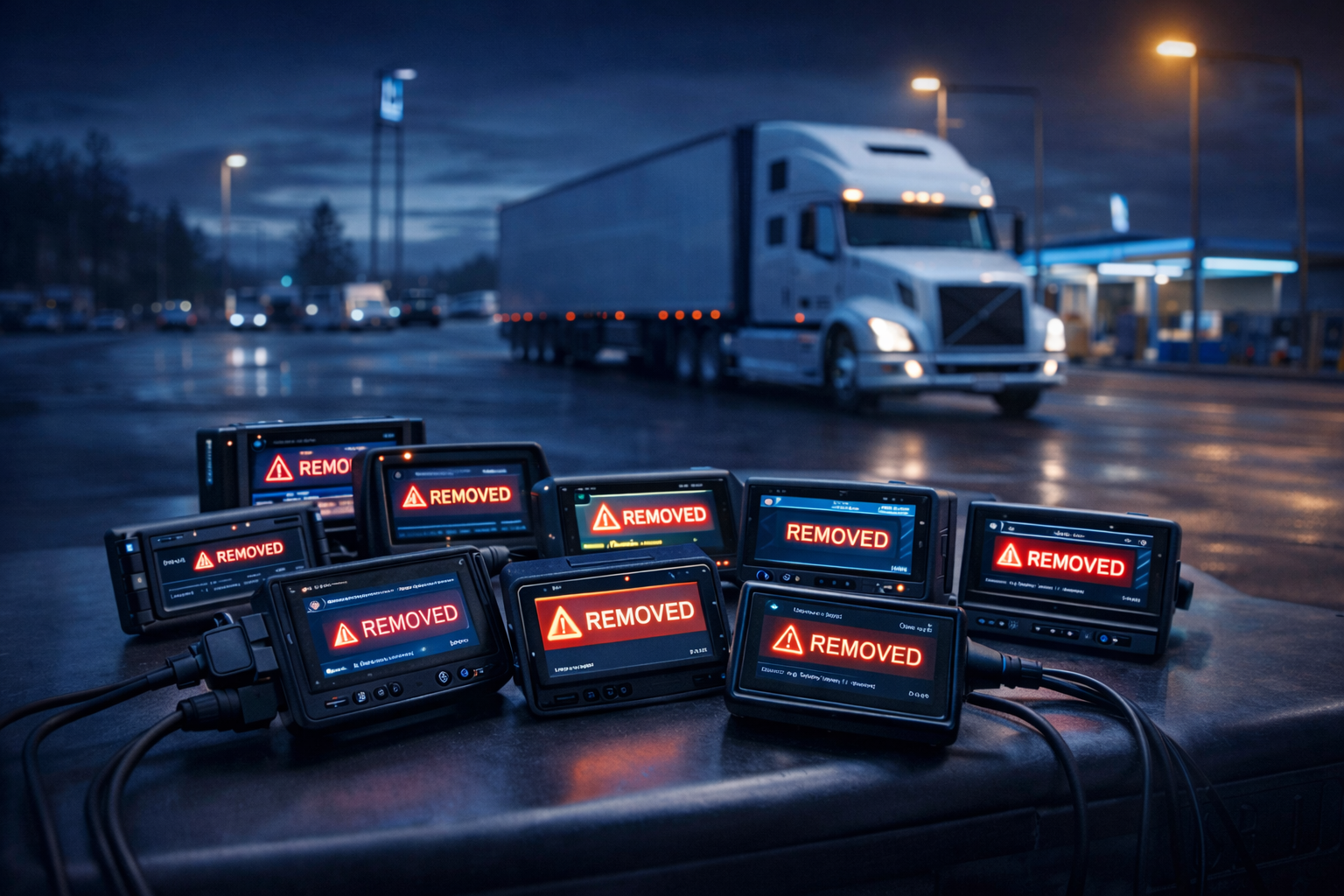
FMCSA Removed 9 ELDs
4 Марта, 2026
FMCSA removed 9 ELD devices from the registry. Drivers must replace th ...
Read more